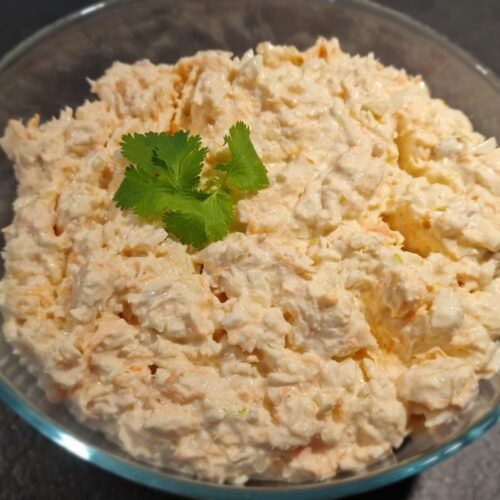
Treska
The original recipe for the most delicious Slovak mayonnaise cod salad
Ingredients
For the poaching liquid
- 12 ¾ cups water 3 liters
- 1 ¼ cups vinegar 300 ml, 10% table vinegar
- 5 bay leaves
- Whole black peppercorns
- Salt
For the treska salad
- 1 ¾ lb cod fillet 800 g, frozen
- 7 oz carrots 200 g, about 2 pieces
- 7 oz onion 200 g, about 1 ½ pieces
- About 1 ⅔ cups mayonnaise 400 g
- About 3 tablespoons mustard 45 g
- 1–2 tablespoons table vinegar
- Salt
Instructions
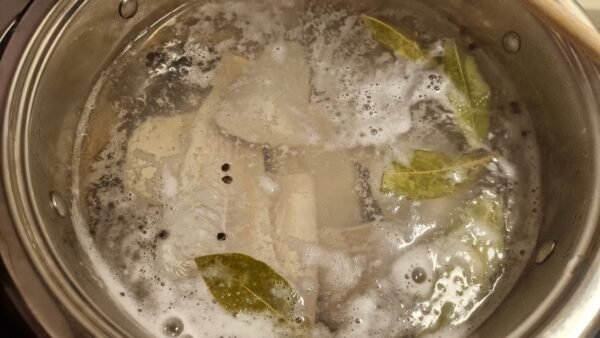
- Pour the water and vinegar for the poaching liquid into a pot, add the pepper and bay leaves, and season with salt. Bring everything to a boil, then add the thawed fish. Cook it—or rather, poach it—for about 12 minutes in water that is only just bubbling. You don’t have to wait until it comes back to a boil; the fish will be done in about 12 minutes from the moment it goes into the water.
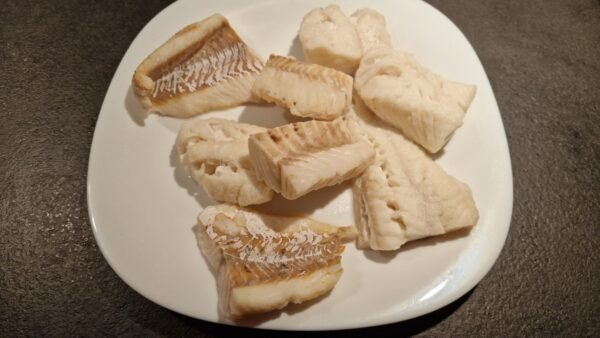
- Take the fish out onto a plate with tongs or a wooden spoon, and let it cool.
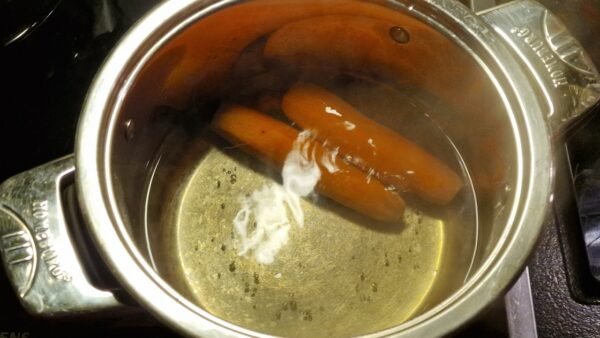
- Meanwhile, peel the carrots, and cook them in hot salted water for 4 minutes from the moment the water comes back to a boil. When they’re done, take them out and let them cool a little.
- Peel the onion and chop it very finely.
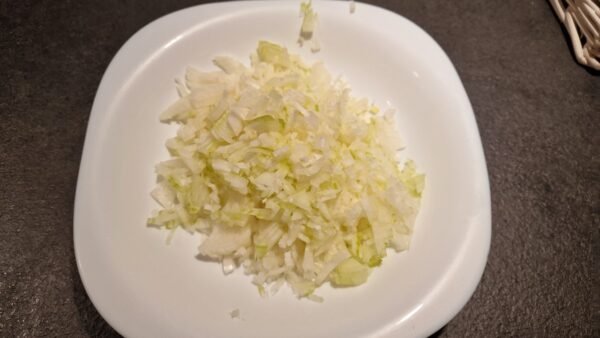
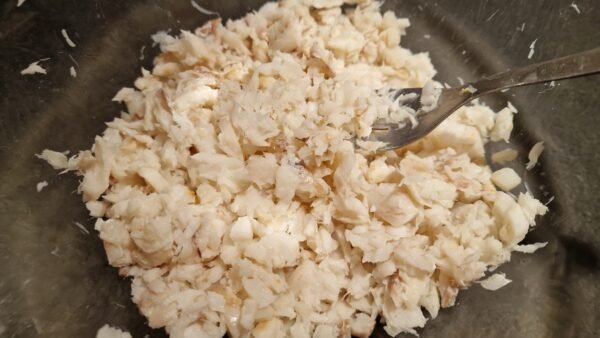
- In a larger bowl, break the fish into small pieces with a fork. One of the biggest advantages of homemade treska, apart from seasoning it yourself, is that you can break the fish into pieces as large or as small as you like. Some people like it almost “ground” in texture, while others prefer it with pieces they can really bite into.
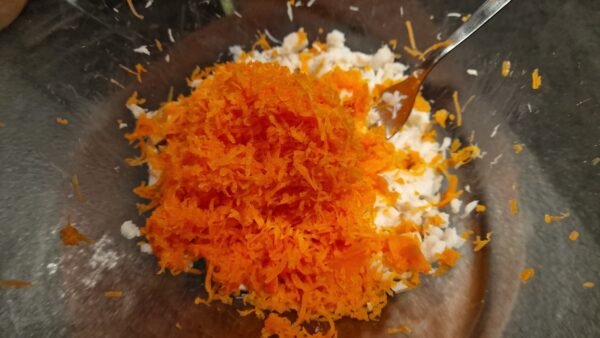
- Grate the carrot onto the fish using a regular grater. For me, this is the biggest challenge in making treska and also the hardest step.
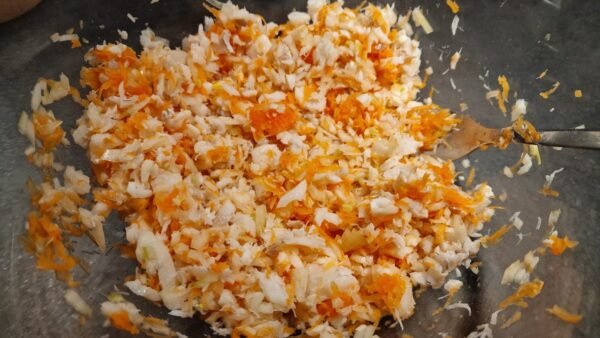
- Add the onion, and mix everything together.
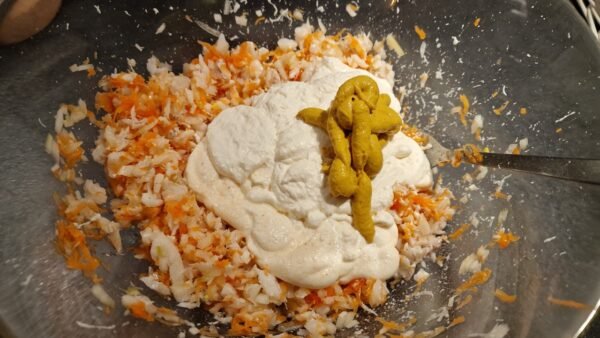
- Add the mayonnaise, mustard, and vinegar, and mix everything together. Taste it at this point, and salt it if necessary. It is important to note that, as with every mayonnaise salad, with treska too the flavors will not only mature, but also mellow. So it’s okay if the onion, or even the salt, for example, comes through a little more strongly at this point.
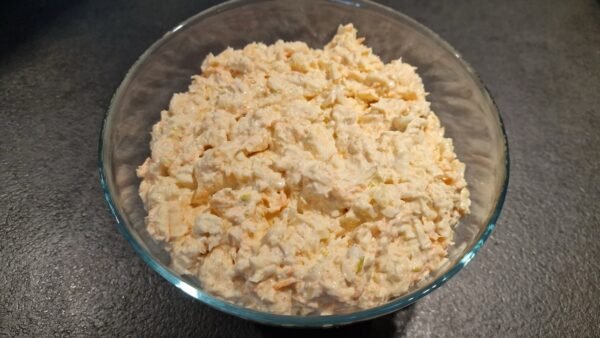
- Cover it and put it in the fridge to rest for 12–24 hours. This is a very important step—the most important one, according to the Slovak source for the recipe. Practically speaking, if you taste it at this point, you won’t get much of the refinement that treska is all about. It needs this time for the flavors to come together.
Notes
Original name: treska; treska v majonéze
Tried this recipe?Let us know how it was!