
In the era of internet recipes, we have more options for exploring other cuisines than ever before. But this plethora of online recipes carries a danger of its own. We can easily believe that the creation of a blogger or vlogger who has never even visited a specific country is the original version of that food. But what makes a recipe authentic? And is it even important to cook or eat only authentic versions of every food?
A Great Example
Let me start with a great example to illustrate the difference between the real, authentic version of a recipe and what most people in a specific region or country think about that particular dish.
You might have already heard of the famous Southern French dish, ratatouille. Chances are you’ve heard of it thanks to the Disney movie of the same name. That’s a great contribution to international food culture by the movie industry, simply by popularizing this exceptional dish.
But I bet the picture you have in your head of this dish looks something like the one below. Eggplant, zucchini, and tomato sliced and neatly baked in a casserole.
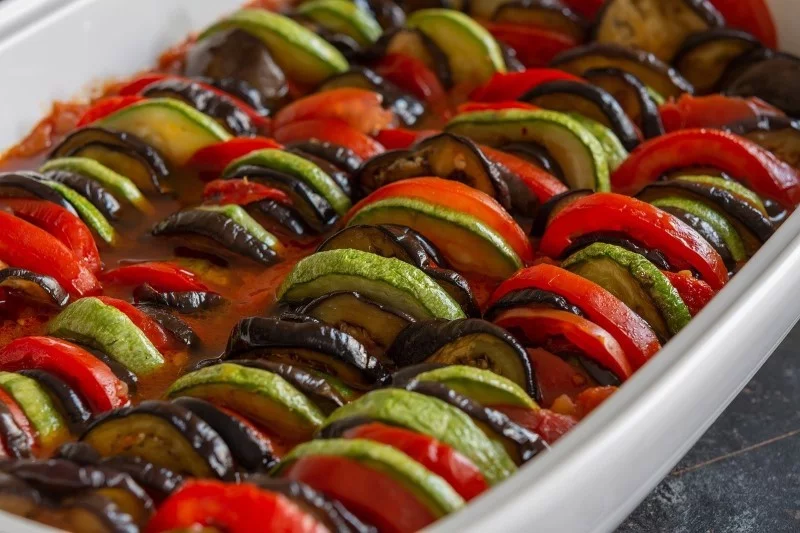
The problem is, this is not actually a ratatouille that you would find in Provence, Southern France. Or, to put it another way, this is not an authentic ratatouille.
It is instead a version of another Provençal dish from Nice, called Tian, and popularized as a fancy ratatouille, also called Confit byaldi, thanks to chef Thomas Keller, culinary advisor for the movie. But still, a lot of people outside France might think these days that this is an actual authentic ratatouille. Read about the history of Confit byaldi on Wikipedia.
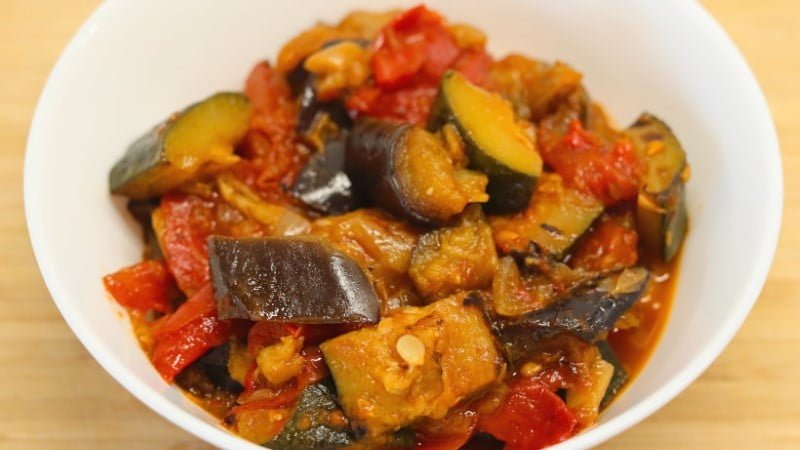
An authentic ratatouille, made by everyday people in Provence, can have several different variations, but it is never a nicely plated dish of thinly sliced vegetables. It is instead a vegetable stew or ragout, as you can see in the picture below.
There Is Rarely One Authentic Version of a Recipe
On the other hand, there is rarely one single authentic version of any recipe. Most famous recipes are created over hundreds of years of culinary tradition, and different variations may coexist even in the very birthplace of the dish.
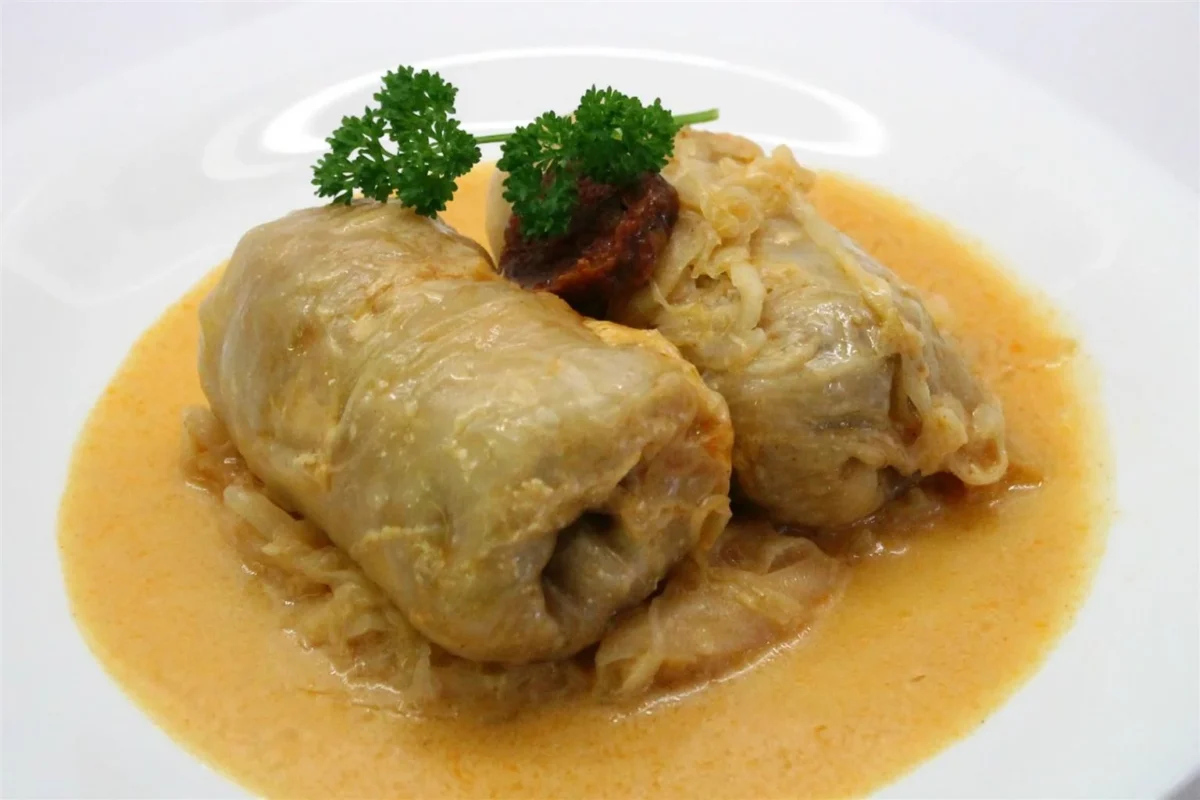
My favorite example of this is Hungarian cabbage roll, or stuffed cabbage. You would think that a Hungarian cook would definitely tell you the authentic recipe. But in fact, there are huge variations in how to make this dish even in such a small country. And don’t think about small differences in seasoning. In some regions, it is prepared as a tangy smoked dish with sauerkraut, while in others, it is made with fresh cabbage and tomato sauce, giving it even slightly sweet notes. Two completely different dishes, yet both ‘authentic’ Hungarian stuffed cabbages.
So What Is an Authentic Recipe?
Combining the two examples above, I would say that you can call any recipe authentic as long as there are at least some people who live in the region where the dish is originally from and who prepare it that way.
Still, two or more very different versions of the same dish can both be authentic, and there is no need to fight over what’s the original recipe and what isn’t.
Is It Important to Cook Authentic Food?
Not in itself, because cooking must be about enjoying the process and then the results. So as long as you love what you cook and you and your guests like to eat it, I think you’re good to go, whether it is authentic or not.
But on the other hand, it is important to know some traditions of different cuisines and make a distinction between what you like and what could be served as an original recipe. And maybe it is more important to make a distinction between what could be served in a country or region, and what is only a modern creation of our imagination.
Martha Stewart’s carbonara fantasy can be a nice and yummy dish, and nobody should be ashamed of making it or even liking it. But in my opinion, it should not be called carbonara, as it can mislead people into thinking that this dish is originally made with heavy cream in Italy.
On the other hand, if you like cooking and eating, you should at least be aware of what a real Italian spaghetti alla carbonara looks and tastes like.
Recipes Change Over Time
And one more thing is worth mentioning at the end. Recipes, like everything, change over time. And this has two implications for whether a specific recipe is authentic or not.
- If you want to find authentic or original recipes that existed for hundreds of years, you’ll rarely find anything that is prepared today. Most traditional food worldwide is the version of the last few decades, and versions from just one or two hundred years ago would be almost unrecognizable today. Take our ratatouille as an example: a printed recipe does not appear until c. 1930.
- Versions that are far from authentic might become the ones used by most home cooks and chefs in the coming years. It is the same as #1, but in the future. Who knows, maybe 100 years from now, the Disney version of ratatouille might become the one that’s most often served in homes around France?