Shallots can seem like an unnecessary fuss. They’re onions, after all, only smaller, usually more expensive, and often more work to peel. If the yellow onions in your pantry already do a perfectly good job, why buy another kind?
For a big pot of beef stew, I wouldn’t suggest making a special trip for shallots. But in a salad dressing, a delicate sauce, or a simple fish dish, your choice of onion can make a noticeable difference. That’s where shallots can show you why they’re worth getting to know.
Let’s take a closer look at what shallots are, how they differ from other onions, and when it makes sense to use them. And, just as practically, when you can use the onion you already have.
What are shallots
Shallots are small onion bulbs closely related to the familiar yellow, white, and red onions. The types most commonly sold in grocery stores belong to the Allium cepa Aggregatum Group, a cultivated group within the same species as ordinary bulb onions. You may also see the older botanical name Allium ascalonicum in books and ingredient guides.
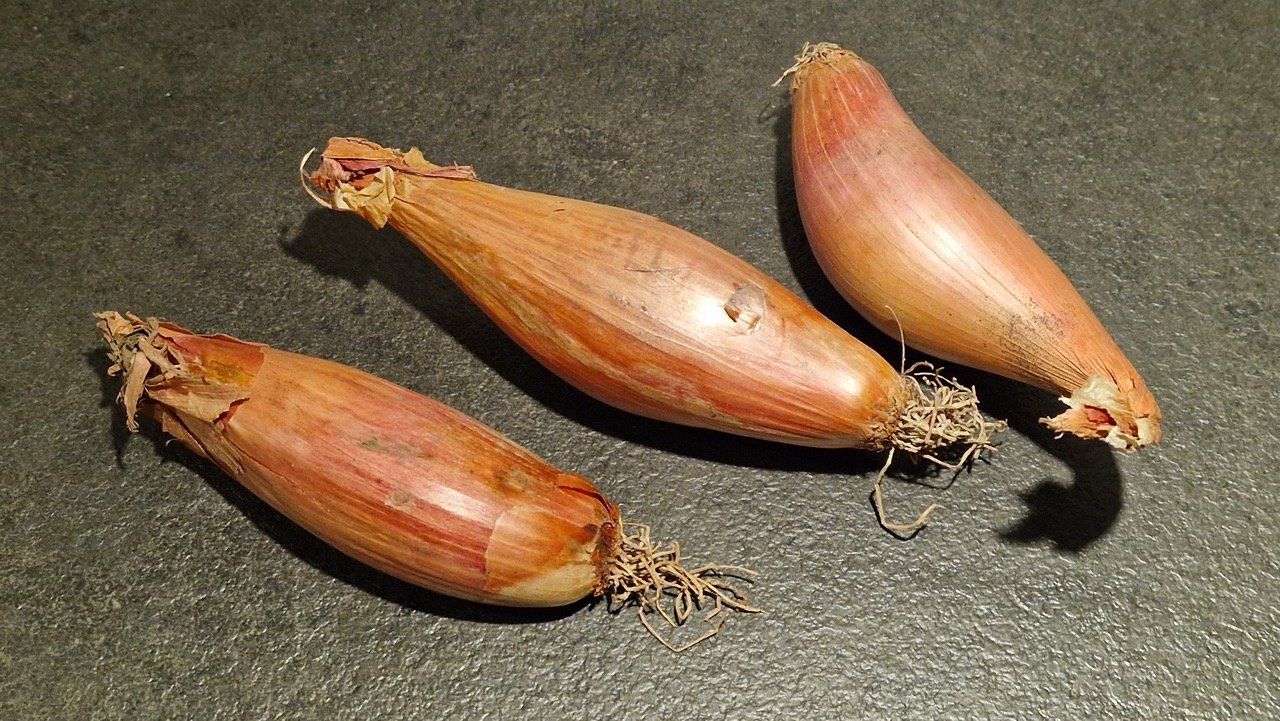
They can be round, teardrop-shaped, or elongated, with dry skins ranging from golden brown and copper to reddish or gray. The flesh is usually white or tinged with purple. Once you peel a shallot, you’ll often find two or more smaller sections joined at the base. Traditionally, shallots grown from small planting bulbs, called sets, produce clusters of new bulbs alongside one another.
Being small doesn’t make an onion a shallot. A small yellow onion and a pearl onion are different ingredients, even if their size looks right for the recipe.
What do shallots taste like
Shallots taste unmistakably oniony, but they’re generally sweeter, milder, and less assertive than ordinary yellow onions. You may also notice a faint garlic-like note.
Mild doesn’t mean that a raw shallot has no bite. It can still taste sharp, and chopping it can still make your eyes water. Varieties differ, too: some are quite gentle, while others have a stronger flavor. Taste a little before adding a generous handful to a salad.
Cooking softens that sharpness and brings out the sweetness. Shallots have fine layers that become tender easily, so finely chopped pieces blend into a sauce. Roast them whole, though, and those soft, sweet bulbs become something you can enjoy as a side dish.
Shallots versus onions
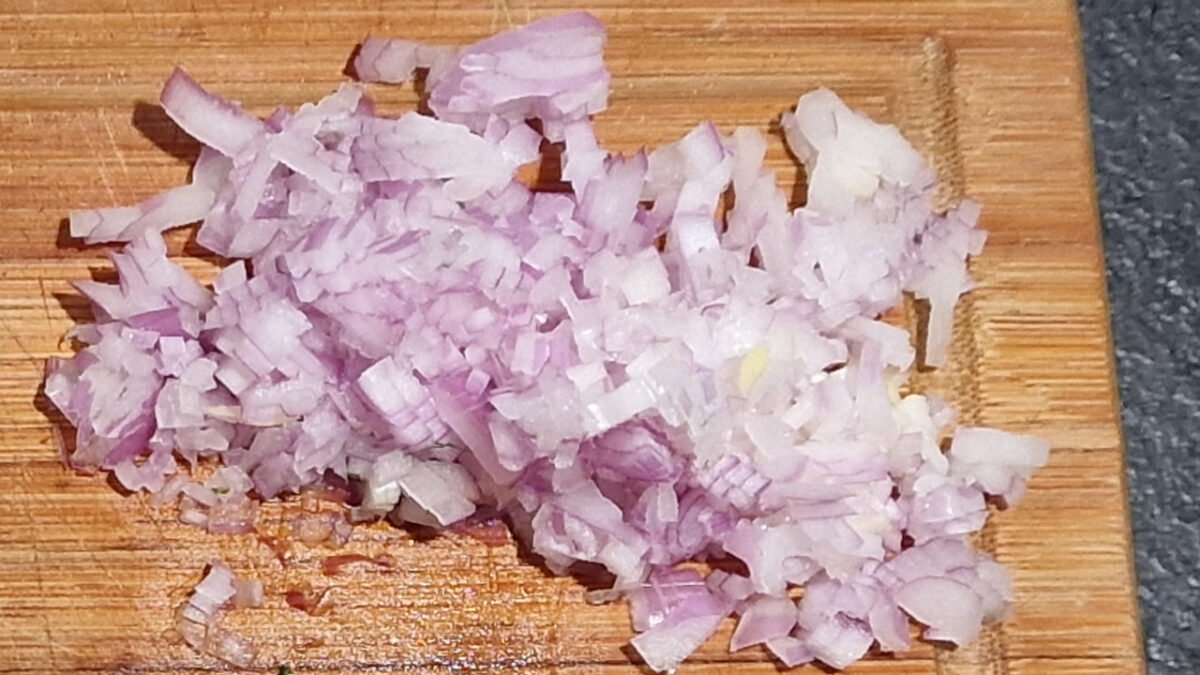
In the kitchen, flavor and texture are the most useful differences to consider. Shallots generally have finer layers than larger yellow onions. That can be an advantage when you want finely chopped onion in a dressing or a smooth sauce.
| Onion | Flavor and texture | Common uses |
| Shallot | Generally mild and sweet, with fine layers | Dressings, sauces, dishes needing only a little onion |
| Yellow onion | Often stronger raw, with thicker layers | Soups, stews, braises, larger amounts of sautéed onion |
| Red onion | Can be sweet, but sharpness varies; crisp texture | Salads, sandwiches, pickled onions |
These are useful tendencies, rather than strict rules. Some yellow onions are mild, and some red onions have plenty of bite. All three can be eaten raw or cooked; they simply bring different flavors and textures to a dish.
Scallions, also called green onions, are another ingredient. Their tender white bases and green tops give them a different texture and role in cooking. Pearl onions aren’t another name for shallots, either. If you’re using a recipe from another country, especially a translated one, check which onion it actually calls for.
Why buy shallots instead of onions
Back to the question we started with. If an ordinary onion works in so many dishes, why spend more on shallots?
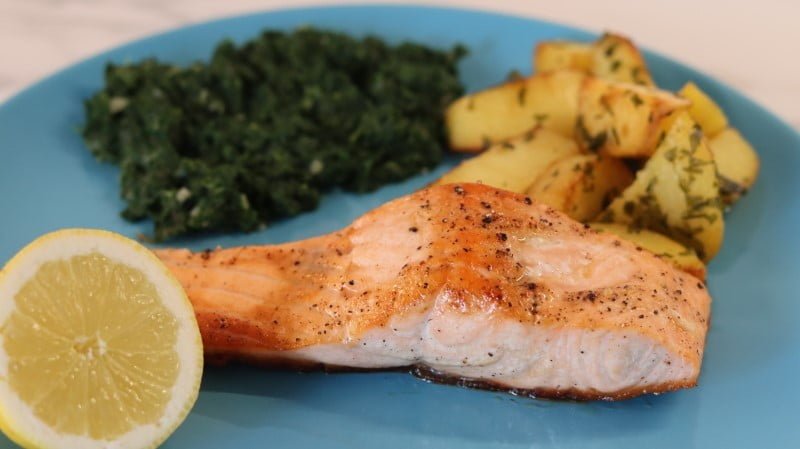
The main reason is that some dishes need just a gentle onion flavor. Even a small amount of raw onion can stand out in an oil-and-vinegar dressing. A milder shallot can give you that fresh onion flavor without overwhelming the salad. The same idea applies to a butter sauce or a simple piece of fish: you want the onion to season the dish while leaving room for the other ingredients.
Texture matters as well. Finely chopped shallots soften easily, leaving fewer noticeable onion pieces in a sauce. Their smaller size is also handy when you only need a little. You can use one small shallot instead of leaving half a large onion in the refrigerator.
For a first try, I’d suggest a simple vinaigrette. A little finely chopped shallot, vinegar, oil, and perhaps mustard will give you a good idea of what it adds to the flavor of the finished dressing.
In a large pot of stew or a heavily seasoned braise, the difference may be less noticeable. Those dishes can also benefit from the stronger flavor of yellow onions. Use them with confidence. Shallots are worth the extra cost when you can actually appreciate their flavor and finer texture.
Types of shallots
There are several types of shallots and many cultivated varieties. At the store, the label may simply say shallots, so size, shape, and skin color are often the clues you have to work with.
Small round or teardrop-shaped shallots can have brown, copper-colored, or reddish skins. Some are mild, while others have a more pronounced flavor. Skin color alone won’t reliably tell you how sharp a shallot will taste.
Long, larger shallots are often called banana shallots, and you may also encounter the name échalion. Their size makes them convenient: you can prepare the same amount of chopped shallot while peeling fewer bulbs. Several varieties have this elongated shape, so shape alone doesn’t identify a particular variety.
French gray shallots, also known as griselle, have grayish skins. Here’s a small botanical twist: these belong to a separate species, Allium oschaninii. In other words, the ingredient name shallot doesn’t always refer to exactly the same plant.
For most everyday recipes, you don’t need to hunt down a special variety. Taste the shallots you bought and adjust the quantity to suit the dish.
How to use shallots
You can use shallots raw or cooked. Finely chopped, they work well in salads, vinaigrettes, and cold sauces. When serving them raw, cut them small so you get a little onion in each bite rather than a large, sharp chunk.
In French cooking, shallots are an important flavoring in many sauces. In béarnaise, for example, they’re part of the vinegar-and-tarragon reduction that flavors the sauce. They also appear in pan sauces for meat and fish, soups, and vegetable dishes. Steak tartare is another good example of a dish where their finer texture and flavor can be useful.
You can also roast shallots whole or halved, or cook them slowly until tender. At that point, they become a side dish in their own right. Butter, thyme, or a little balsamic vinegar are good companions if you’re serving them with roasted meat.
And they certainly aren’t limited to French cooking. Crispy fried shallots are a popular topping in Thai cuisine and a characteristic accompaniment to Hat Yai fried chicken. Here, the appeal is their toasted flavor and crunch, quite a different job from softening into a sauce.
Pickled shallots also work in sandwiches, salads, or alongside meat. Watch them when cooking: finely chopped or thinly sliced shallots can burn quickly and become bitter. For a sauce base, soften them gently. Frying them until crisp is another technique, and it needs a watchful eye as well.
What to substitute for shallots
If a recipe calls for shallots and you don’t have any, yellow onions will work in most cooked dishes. When the recipe needs only a small amount, start with the same volume of finely chopped yellow onion as chopped shallot. Chop it finely and give it time to soften properly.
Be more cautious in raw dishes. A mild red onion or a little of the white part of a scallion can be an option, but start with less and taste before adding more. The flavor and texture will change, especially in something as simple as a vinaigrette.
Don’t substitute by counting bulbs. One large onion may be far more than one small shallot, and shallots themselves vary considerably in size. Peeled weight or the volume of chopped onion is a more useful guide.
When shallots are a main ingredient, as in a side dish of whole roasted shallots, swapping them for onions changes the result more noticeably. That’s a good time to buy the shallots, or deliberately make a different onion dish.
Buying and storing shallots
Choose firm bulbs with dry skins. Leave behind any that feel soft or have damp, moldy, or visibly damaged patches. Already-sprouting shallots aren’t a good choice if you want to keep them for a while.
Check the label as well as the size. Shallots and scallions are different ingredients, despite their similar-looking names. In French recipes, échalote means shallot. Larger elongated bulbs may be labeled banana shallots.
Store whole, unpeeled shallots somewhere cool, dry, dark, and well ventilated. A basket, mesh bag, or other breathable container works well. A damp, sealed plastic bag encourages spoilage. In suitable conditions, shallots can keep for several weeks, but check them occasionally.
Once peeled or cut, refrigerate them in a closed container and use them within a few days. You can also freeze chopped shallots in small portions if you have more than you need. After freezing, they’re best suited to cooked dishes.
Where shallots come from and how they got their name
Shallots are closely associated with French cooking, but their history also has ancient connections to the Middle East. Their exact botanical origin needs a little caution: Central Asia is often suggested, and the different plants called shallots don’t necessarily share precisely the same history.
The name has a clearer trail. The French word échalote can be traced back to the Latin ascalonia cepa, meaning onion of Ascalon, an ancient city in the Middle East. According to the Académie française, onions associated with the city were so well known that the expression man of Ascalon could mean an onion merchant in ancient Greek texts.
The name preserves an old geographical connection. By itself, though, it doesn’t establish exactly where today’s cultivated shallot varieties originated.
Fortunately, using them is much simpler. If you’ve always skipped past shallots in recipes, try a little in a dish where you can really taste the difference. A small batch of vinaigrette takes very little, and you’ll soon know whether they’re worth buying for your own kitchen.
Sources
- Royal Horticultural Society · Allium cepa Aggregatum Group
- Royal Horticultural Society · How to grow shallots
- Bundeszentrum für Ernährung · Schalotten für die feine Küche
- Lex · Skalotteløg
- Good Food · Shallot
- Simply Recipes · Shallots vs. Onions: An Expert Explains the Difference
- University of California Agriculture and Natural Resources · Growing Shallots in Containers
- Hot Thai Kitchen · Thai Fried Chicken Recipe
- Bon Appétit · The Best Shallot Substitutes for When You Don’t Have Time to Shop
- Southern Living · The Difference Between a Shallot and an Onion
- Académie française · L’hermine et l’échalote
- National Center for Home Food Preservation · Freezing Onions
- Serious Eats · The Best Time to Use Shallots Instead of Onions