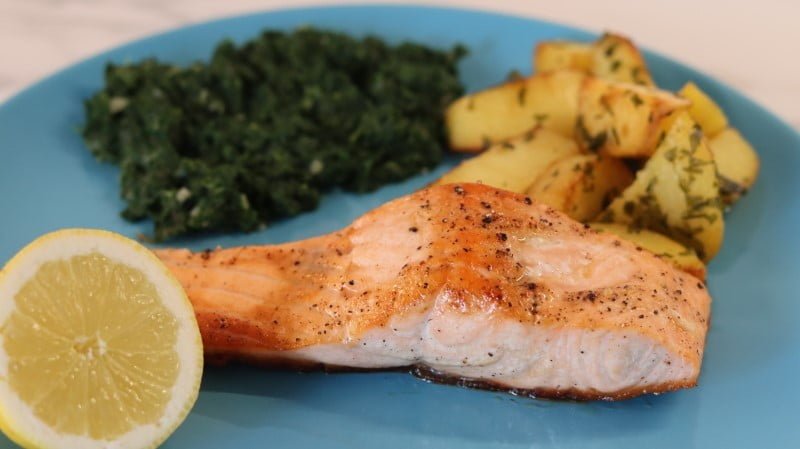
Greek chicken recipes are very popular around the world. Yet the term “Greek chicken” doesn’t necessarily mean the same thing everywhere, and not every recipe with that name necessarily has anything to do with what people actually eat in Greece.
Two things these recipes usually have in common: chicken and lemon.
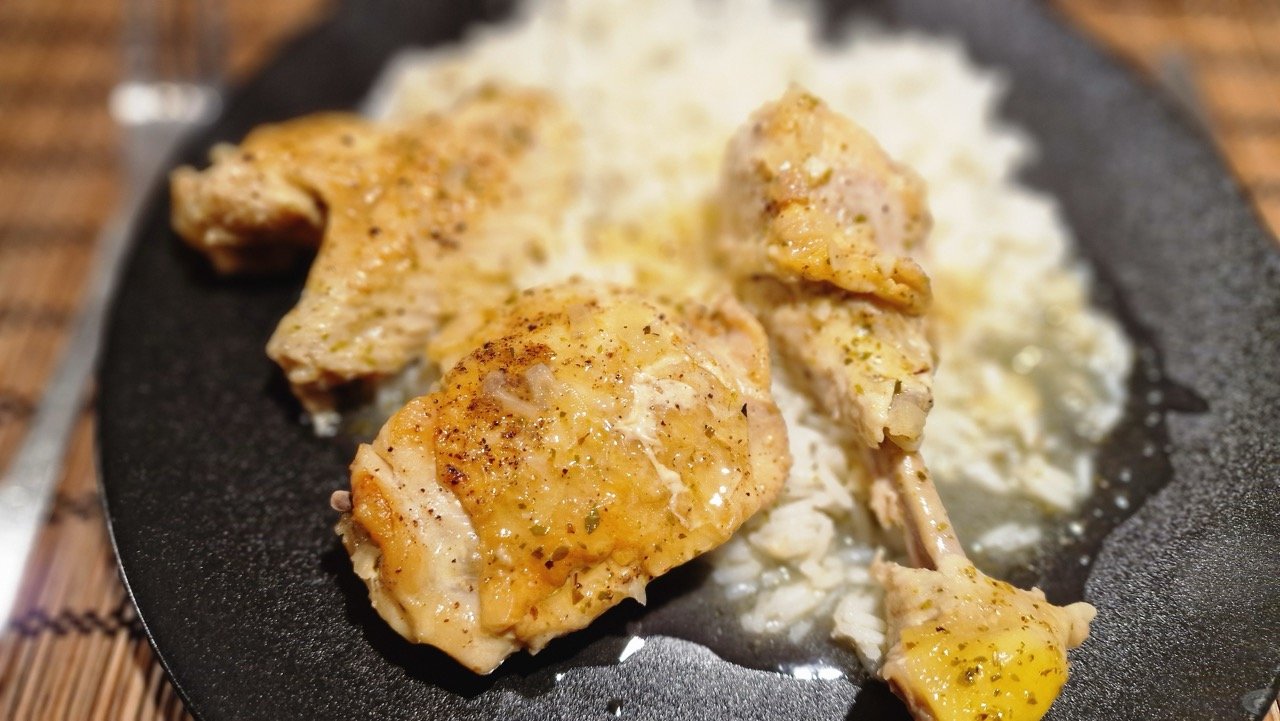
In Greece, there are basically two particularly common ways to make it: baked in the oven, usually with potatoes, or cooked in a pot with sauce. Both can rightly be called Greek lemon chicken. Here I’m showing you how to make Κοτόπουλο λεμονάτο κατσαρόλας [pronounced roughly koh-TOH-poo-loh leh-moh-NAH-toh kah-tsah-ROH-lahs], a saucy, truly delicious dish made at home.
The Greek name means roughly “lemon chicken in a pot.” The chicken cooks in a lemon sauce in a large pot. In the end, you can serve a pleasantly tangy dish flavored primarily by lemon and extra virgin olive oil—one that, all by itself, brings back memories of Greek summers.
What Kind of Chicken Should You Use?
Or, more precisely, which part of the chicken.
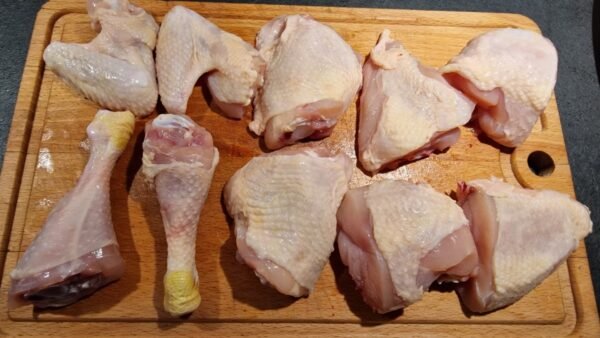
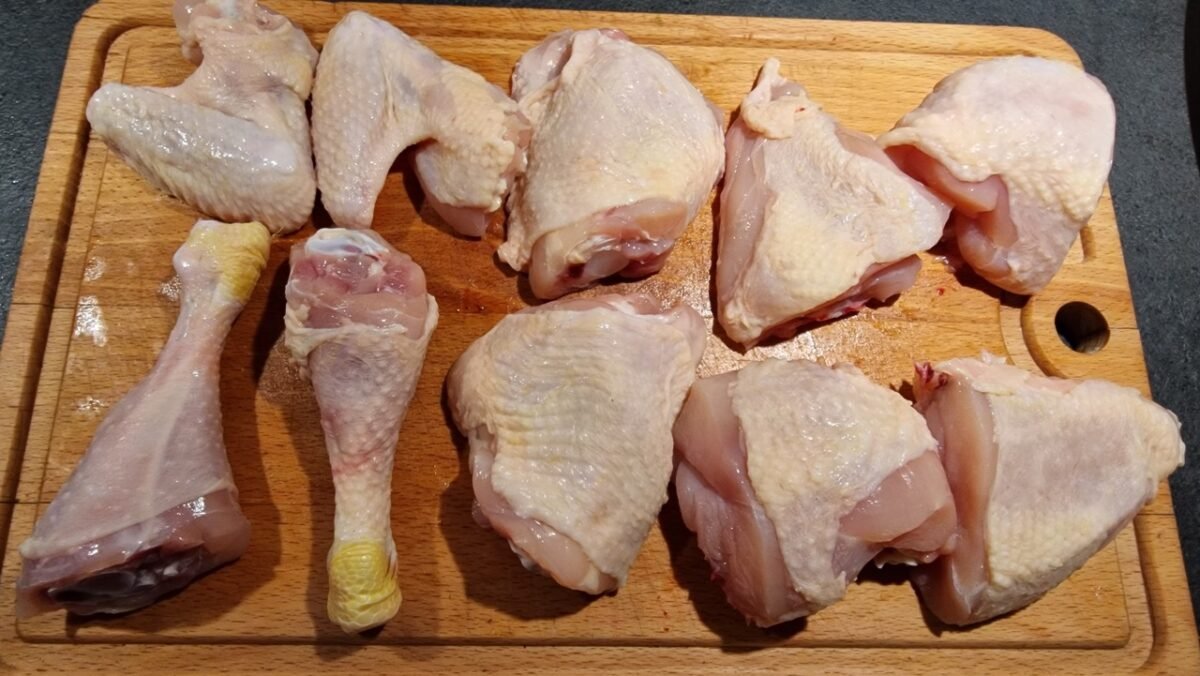
In its truly authentic form, this recipe is more often made with a whole chicken—that’s how I show it, too. It’s best to cut the chicken into 8–10 pieces and save the back and wing tips for a good stock.
But of course you can make it with other chicken parts, too. Bone-in pieces—especially legs and/or wings—make it particularly delicious. But if chicken breast is your favorite, you can use that as well. In that case, be sure to cook it for less time (20–25 minutes), so the breast meat doesn’t dry out too much.
Traditionally, the chicken goes into the pot with its skin and bones. This produces richer, fuller flavors and a thicker sauce. But of course you can adjust that to your taste, too.
Lemon Is the Soul of Greek Chicken
As I wrote, lemon is naturally the common, defining ingredient in the various kinds of Greek lemon chicken. Even the original Greek recipe’s name simply means lemon chicken in a pot.
In this recipe, I add the lemon juice in two stages. Most of it goes in at the beginning of cooking, so its flavor mellows and becomes part of the chicken juices and the meat itself. I stir in the rest at the end, after taking the pot off the heat: this gives the dish its fresh, lively citrus character. Heat mainly dulls lemon’s fresh aromas, which is why juice cooked with the chicken and juice added at the end have quite different effects.
And one very important thing! The lemon juice for this Greek chicken recipe absolutely must be freshly squeezed! I know it’s popular to buy bottled lemon juice and use that, but many bottled lemon juices are reconstituted from concentrate or heat-treated, and their aroma is generally duller than that of freshly squeezed juice. They may be fine for certain uses, but using them for a truly fresh, lemony Greek chicken would be a shame. A few fresh lemons, a little extra effort, and you can take this dish to a whole new level!
A Few Thoughts About the Other Ingredients
There are a few other ingredients that we might initially think of as distinctly Greek or essential, but they aren’t necessarily needed for a version that can be called authentic and is traditionally served on Greek tables.
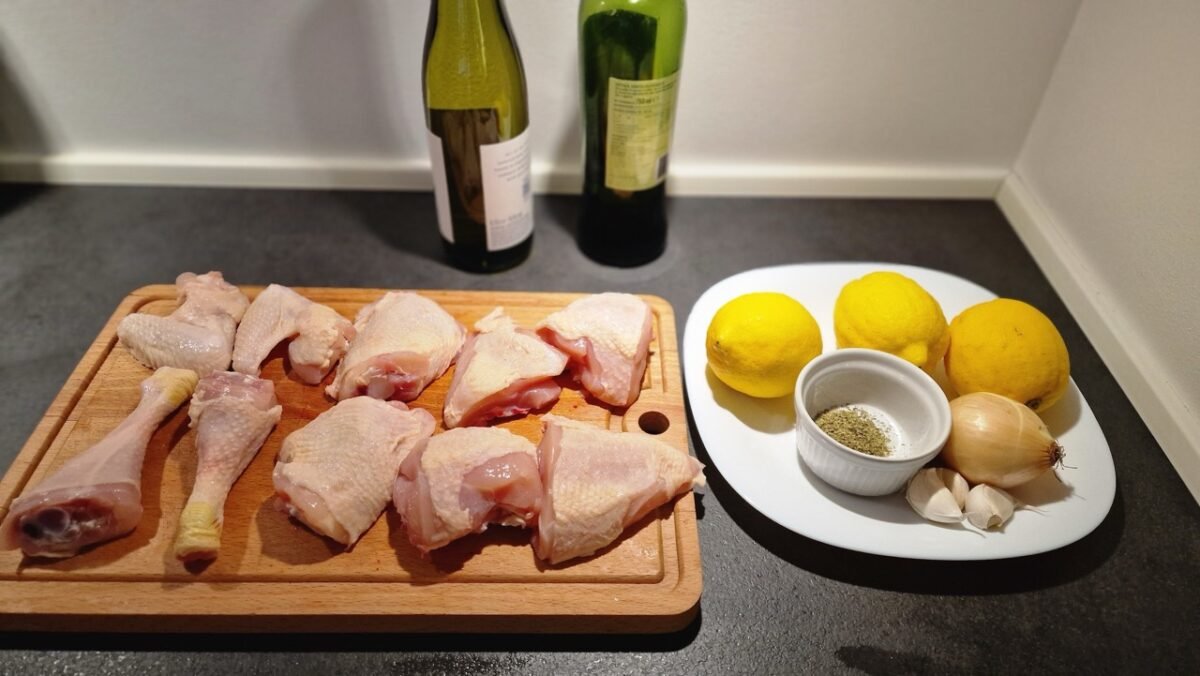
Oregano is one of them. Although it’s a distinctly Greek herb, and I use it in this Greek lemon chicken recipe, you can leave it out without making the dish any less authentic.
Another is white wine. Somehow, if there’s even a chance that alcohol could go into a dish, some people consider it blasphemy to leave it out. And it’s true that white wine contributes beautifully to the flavor of Greek lemon chicken, and that many people in Greece add it too. But it isn’t an essential ingredient at all. Some make the dish with wine; others make it without.
The third ingredient in question is stock. Many recipes use chicken stock, and of course you can use it too: it brings deeper, fuller flavors, richer in umami, to the dish. But especially if you’re cooking a whole chicken or bone-in pieces, you don’t necessarily need it. In that case, Greek chicken will be perfect with water, too. If, however, you use only chicken breast—or boneless thighs, for example—I wouldn’t leave out the stock.
Serving Greek Lemon Chicken
This is a very tasty, saucy dish that you can serve with practically any side—and it’s worth trying it in different ways. There’s no single typical way to serve it; Greeks eat it in many different ways, too.
Perhaps one of the most traditional sides is cooked rice. That’s hardly surprising: this heavenly chicken and its sauce go very well with rice. But fried potatoes can be considered just as traditional, and they make a surprisingly good match for any rich sauce.
As a separate variation, you can cook potatoes alongside the chicken right in the lemony cooking juices. You can also serve it with mashed potatoes, pasta, or bulgur.

Greek Lemon Chicken with a Tangy Lemon Sauce
Ingredients
- 1 whole chicken about 2.9–3.3 lb (1.3–1.5 kg), cut into 8–10 pieces
- ¼ cup extra virgin olive oil 60 ml
- 1 onion medium
- 3 cloves garlic
- 100 ml dry white wine optional, about ⅓ cup plus 1½ Tbsp
- 100 ml lemon juice fresh; about ⅓ cup plus 1½ Tbsp
- 250 ml stock or water; about 1 cup
- 1 tsp dried oregano
- Salt
- Pepper
- 1 Tbsp cornstarch optional
Instructions
- Cut up the whole chicken. I cut mine into 10 pieces: the two drumsticks, two thighs, two wings, and the bone-in breast cut into four pieces. The back and wing tips can be used for stock.

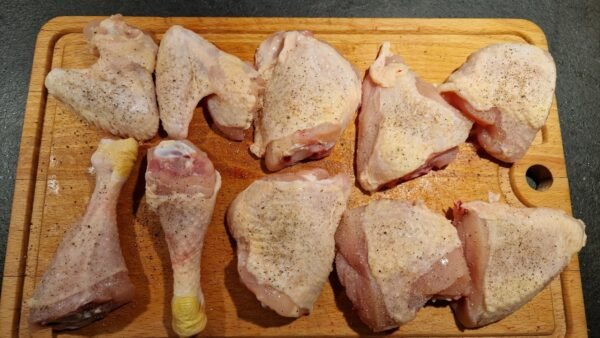
- Pat the chicken pieces dry with paper towels, then season them thoroughly with salt and pepper.
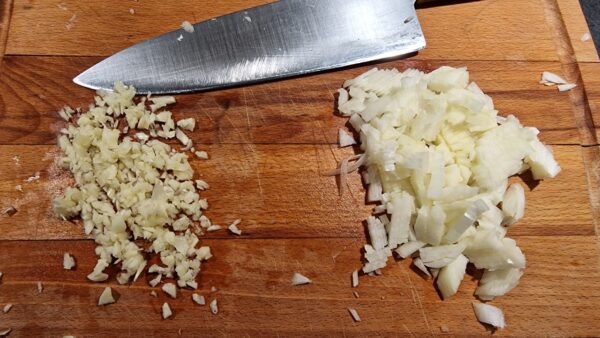
- Finely chop the onion and garlic.
- Heat the olive oil in a large, wide pot or deep skillet. Brown the chicken pieces over high heat for 5–6 minutes per side, starting skin-side down. Set them aside when done.
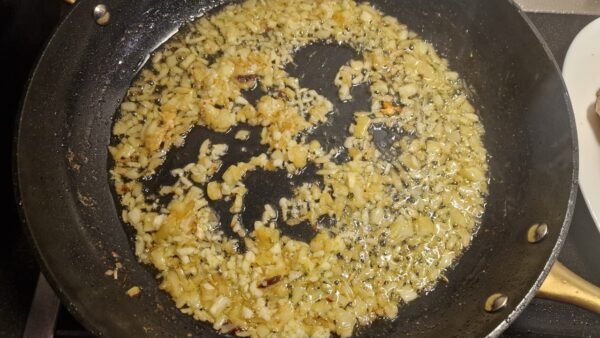
- In the same pan, sauté the onion over medium heat, then add the garlic and cook for another half minute.
- Return the chicken pieces to the pan. Pour in the white wine, water, and about two-thirds of the lemon juice. Add the oregano. The liquid should come about halfway up the chicken pieces. We’re not making soup; we’re braising the chicken.
- Cover and cook over low heat for about 40 minutes, until the chicken is tender. At this stage, you can take the breasts out after 20–25 minutes; they’ll stay a little juicier. If you do, keep them warm and return them to the finished sauce.
- Remove the lid and reduce the sauce slightly over medium heat for about 5 minutes. Meanwhile, mix the cornstarch with a little cold water in a small bowl and add it to the sauce. Stir and cook for a few seconds until it thickens. The cornstarch isn’t essential: simmer the sauce a little longer and it will thicken without it, though you’ll have less sauce.
- Turn off the heat, add the remaining lemon juice, and stir it in.