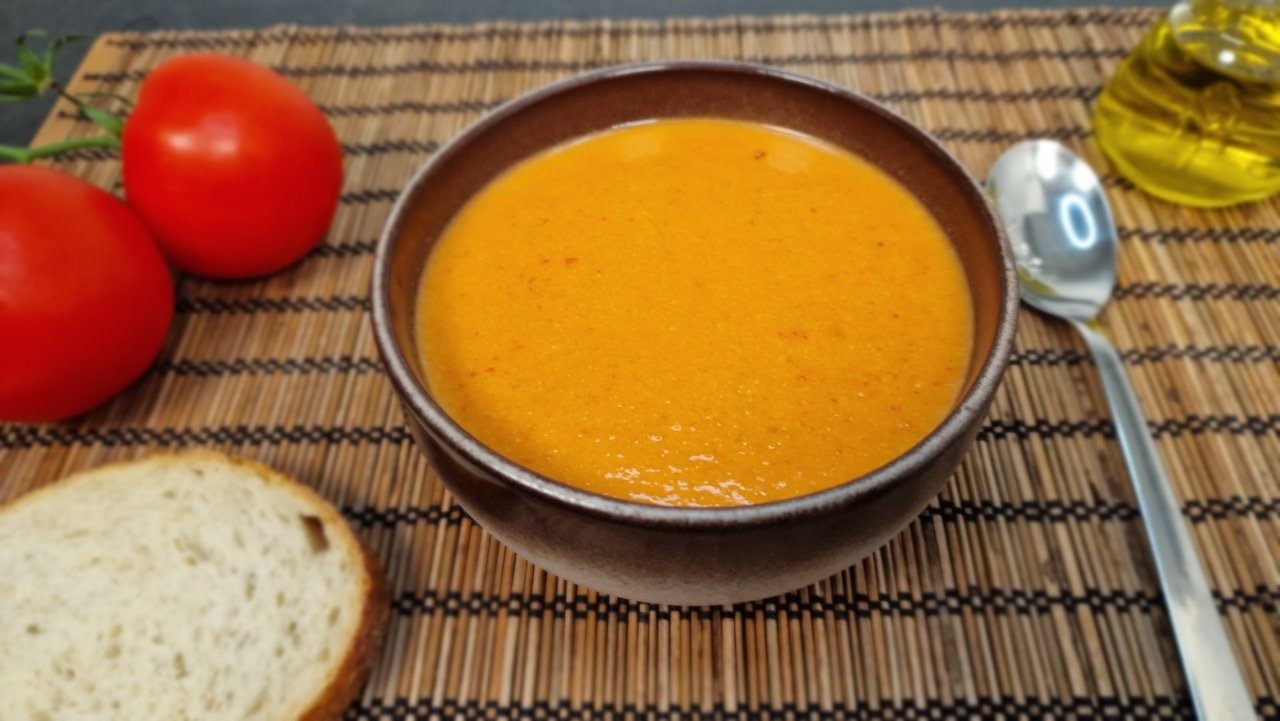
Gazpacho is perhaps one of the best-known cold soups in the world. It comes from hot Andalusia in southern Spain, so it not only contains all the flavors and freshness of the Mediterranean, but is also guaranteed to make even the hottest summer days more pleasant and refreshing.
Unfortunately, gazpacho too has suffered the fate that seems almost inevitable for internationally popular dishes: outside Spain, what is written about it—or served under its name—often bears little resemblance to the original.
Here I’m sharing an Andalusian gazpacho recipe with you that can be considered authentic. The kind you might actually be served in southern Spain. A little farther down, I also write about the astonishing variations people around the world try to get us to eat—or drink—under the name gazpacho.
What Is Gazpacho?
According to the Royal Spanish Academy’s definition, gazpacho is a cold soup especially characteristic of Andalusia, with tomato, pepper, (olive) oil, vinegar, garlic, and salt as its basic ingredients. The original definition says only oil, but in Spain—and in the case of gazpacho—that means olive oil almost by default, specifically extra-virgin olive oil.
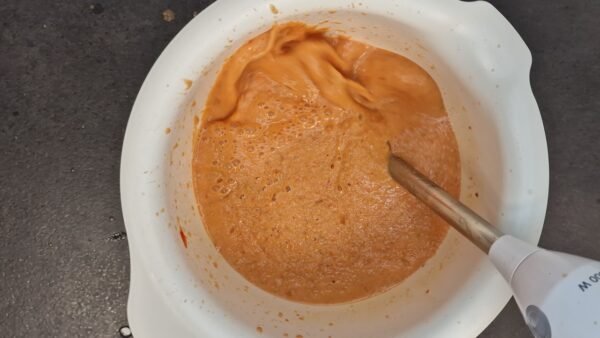
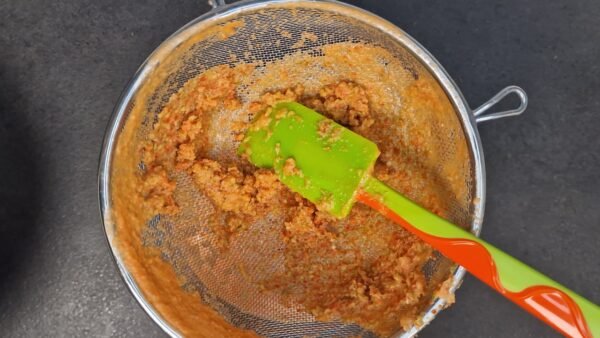
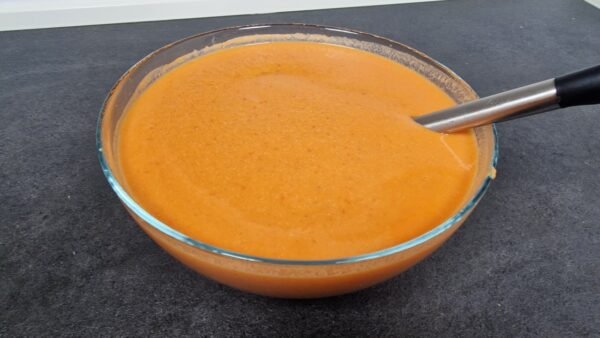
This is a cold, uncooked soup. The ingredients are puréed in a countertop blender or with an immersion blender, usually strained as well (for example, so no pieces of tomato skin remain), and served chilled from the refrigerator.
Gazpacho has a very distinctive flavor because the ingredients go into it fresh and raw. The garlic and vinegar, and even the olive oil, all give it bold flavors. Served cold, all of this makes for a genuinely pleasant and refreshing experience even on the hottest summer days.
Gazpacho Ingredients
The definition above lists the basic ingredients, but bread, cucumber, and often onion are also added in many cases. Naturally, specific versions of gazpacho can vary from one household to the next, but everyone agrees on these basics.
Here are the key things worth knowing about the different ingredients if you want to make a gazpacho that is not only authentic, but also truly delicious.
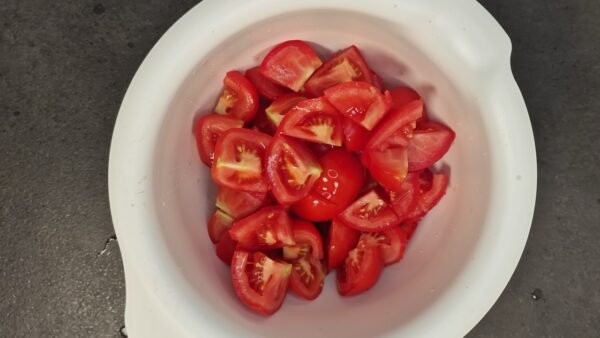
- Tomatoes. This is the single most important thing about gazpacho: the tomatoes must be ripe, sweet, summer tomatoes. The final result stands or falls on this, so don’t use tart winter tomatoes. The riper they are, the more delicious the gazpacho will be. You generally don’t need to peel or core the tomatoes; the soup is strained after it is made, so no pieces of skin remain in it. But if you prefer it more rustic, you don’t need to strain the soup—in that case, however, it is worth peeling the tomatoes.
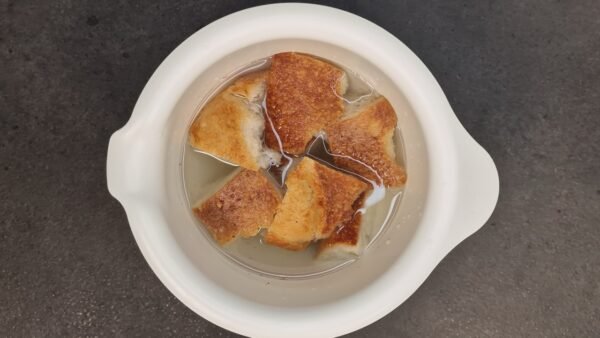
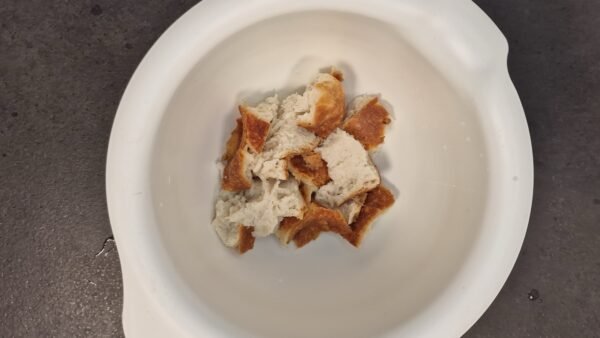
- Bread. Although the dictionary does not list it among the basic ingredients, bread goes into many traditional versions. Bread can be considered a traditional ingredient; it tends to be left out of more modern versions or those meant to be served in a glass. Here, think stale leftover bread, soaked in water and squeezed out before it is added to the soup. For one thing, it gives the soup body; for another, it helps make the emulsion of olive oil and vegetable juices thicker and more uniform.
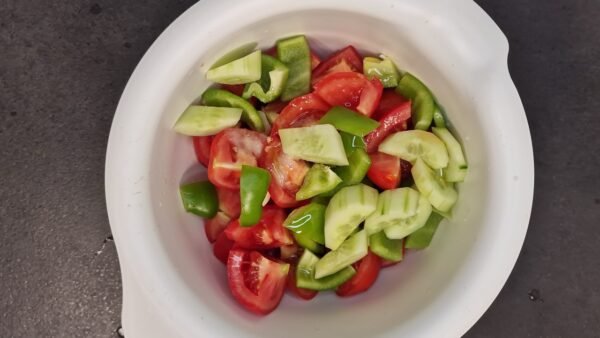
- Pepper. Gazpacho is made with a long, mild green pepper, not a bell pepper. Surprisingly, I couldn’t get one when I made the recipe, so mine contains bell pepper instead.
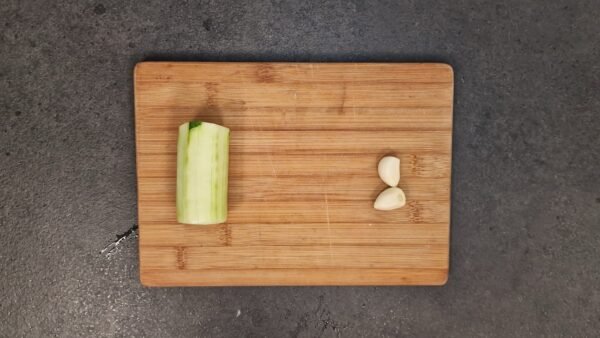
- Cucumber. People are very divided over whether to include it; you’ll find a little in my recipe. But it can be left out without any problem. It is worth peeling the cucumber, though, because the thicker skin can feel unpleasant in the soup.
- Garlic. Yes, it goes in raw. So don’t eat authentic gazpacho before a date.
- Onion. You can add it, but it isn’t essential, and it isn’t used everywhere.
- Olive oil. Use good-quality extra-virgin olive oil. Don’t skimp on the quantity; authentic gazpacho needs the amount given in the recipe—or even more.
- Vinegar. Sherry vinegar is the most authentic, but if you can’t find it, use the best-quality wine vinegar you can get.
- Water. Many people also thin the finished gazpacho with a little water. This is partly a matter of taste and partly depends on how juicy the tomatoes are.
The exact quantities are not really set in stone. You can adjust them to your liking and taste, just as people do in Spain. No two gazpachos are made exactly the same way, but the recipe given here can be considered authentic in the sense that it contains no modern or foreign extras that a Spanish abuela (grandmother) would probably never put into a real gazpacho.
Astonishing International Gazpacho Variations
Unfortunately, gazpacho is one of the least fortunate dishes when it comes to what has been done to it—or made out of it—around the world. On the one hand, international fame is naturally a good thing, since it clearly helps both preserve and spread a region’s culture.
On the other hand, this is when self-appointed creators appear, often in the form of a food blogger or vlogger from somewhere outside Spain—not infrequently from the United States—and in the case of gazpacho, they label practically anything with this name if it contains vegetables and needs to be blended.
When I was researching the recipe, I could hardly believe what exists around the world—outside Spain, naturally—under the name gazpacho. Don’t get me wrong, these can be very delicious dishes, but they certainly cannot be considered classic Andalusian gazpacho. Here are a few examples:
“Gazpacho” Made With Tomato Juice or V8
In this version, the soup gets its liquid not from ripe tomatoes, but from several cups of packaged tomato juice or V8 vegetable juice. Sometimes vegetable, chicken, or even beef broth is poured in as well, followed by Worcestershire sauce, Tabasco, and lemon juice for flavor. The result is most like a vegetable Bloody Mary, especially when the recipe includes no more than a token tablespoon of olive oil. Honestly, this is all I can think of: 😱
Tex-Mex “Gazpacho”
Another popular direction is cold Mexican salsa presented as gazpacho. Jalapeño, lime juice, cilantro, cumin, hot sauce, avocado, corn, or even black beans can all go into it. These ingredients can work extremely well together, but the finished flavor is much closer to Mexican or Tex-Mex cuisine than to Andalusia. Classic gazpacho is tangy and refreshing, but it is fundamentally not a spicy dish.
“Whatever Is in the Fridge” Gazpacho
Celery, zucchini, carrots, red, yellow, and green bell peppers, lots of cucumber and onion—in some recipes, practically the entire crisper drawer goes into the blender. At that point, tomato is no longer the defining ingredient of the dish, but merely one vegetable among many. This may produce a pleasant and healthy cold vegetable soup, but what makes authentic gazpacho gazpacho is not simply blending together anything that can be eaten raw.
Italian-Style Gazpacho
Since basil, oregano, and balsamic vinegar pair well with tomatoes, adding them to gazpacho too may seem like an obvious idea. Some versions even include pesto, Parmesan, or roasted red pepper. The result, however, is more of a cold, Italian-style tomato soup. Classic gazpacho does not contain prominent herbs, and wine or sherry vinegar is used instead of balsamic vinegar.
Roasted and Smoky Gazpacho
One of the most important characteristics of gazpacho is that it is made from raw vegetables. Roasting or grilling the tomatoes and peppers therefore fundamentally changes the character of the dish. Add jarred roasted peppers, chipotle, smoked paprika, or liquid smoke, and you may end up with a delicious cold soup—but the fresh, vibrant flavor that is the essence of authentic gazpacho disappears.
Olive Oil-Free “Diet Gazpacho”
In gazpacho, olive oil is not simply an optional source of calories, nor is it added merely as a garnish on top of the soup. Thoroughly blended with the vegetables, it forms an emulsion that makes gazpacho creamy, full-bodied, and silky. Those “low-fat” recipes that use only a teaspoon or tablespoon of oil for a large batch of soup generally produce a thin, sharply acidic tomato juice.
Chunky Gazpacho, or Salsa in a Soup Bowl
American recipes often purée only some of the vegetables, then finely chop and stir in the rest. This is more like a vegetable salad covered with tomato juice, or a thin salsa. Finely chopped tomato, pepper, cucumber, or onion can indeed be a traditional accompaniment to gazpacho, but these are generally served separately or on top of the finished soup after it has been blended smooth.
Overly Sweet Gazpacho
A pinch of sugar does not necessarily ruin a recipe, but it generally suggests that the tomatoes used were not ripe and flavorful enough. If, however, the soup needs tablespoons of sugar to make it edible, then what really needs to change is not the seasoning, but the quality of the tomatoes—and, most of all, the name of the dish.
Not Every Difference Is a Mistake
At the same time, it is important not to treat every variation as a mistake. The use of cucumber, onion, and bread is not consistent even within Spain: each can be omitted. Both thicker and thinner gazpacho, as well as strained and more rustic textures, are acceptable.
The real problem is when the Andalusian character defined by ripe tomatoes, raw vegetables, olive oil, and wine vinegar disappears from a recipe, but the dish—which may, of course, still be delicious—continues to be called gazpacho.
Immersion Blender or Countertop Blender?
The question may come up whether it is better to make gazpacho with an immersion blender or in a countertop blender.
The answer is simple: both work. Use whichever one you have or find easier to handle.
The advantage of a countertop blender is that it doesn’t splatter. You simply put in the ingredients and let it run. An immersion blender, on the other hand, can splatter and you have to hold it the entire time, but it may be the tool you already have in your kitchen, and it also lets you make a larger batch.
What matters is that, whichever one you use, you really let it run. In other words, the gazpacho should be completely puréed before you strain or serve it.
Enjoy!
Gazpacho
Equipment
- Immersion blender or countertop blender
Ingredients
- 4.6 oz stale bread 130 g
- 2.2 lb tomatoes 1 kg; very ripe
- 1 green pepper about 4.2 oz, 120 g
- 2 cloves garlic
- 4.2 oz English cucumber 120 g
- 10 g salt or to taste
- 3 tbsp sherry vinegar or wine vinegar; 45 ml
- ⅓ cup extra virgin olive oil 100 ml; ⅓ cup plus 1½ tbsp
Instructions
- To make the gazpacho, first tear the bread into larger pieces and soak it in water for a few minutes.

- Peel the cucumber and garlic, and remove the stem and seeds from the green pepper.
- Squeeze the water out of the bread and put it into a large bowl or the countertop blender.
- Cut the tomatoes into chunks and add them.Gazpacho is usually strained, in which case you do not need to peel or core the tomatoes. If you serve it more rustic and unstrained, however, it is worth doing both.
- Add the whole garlic cloves, the cucumber cut into chunks, the stemmed, seeded, and chopped green pepper, the salt, vinegar, and olive oil.
- Purée thoroughly with an immersion blender or countertop blender.
- Strain the gazpacho and chill it for at least 2 hours.
- Serve cold.