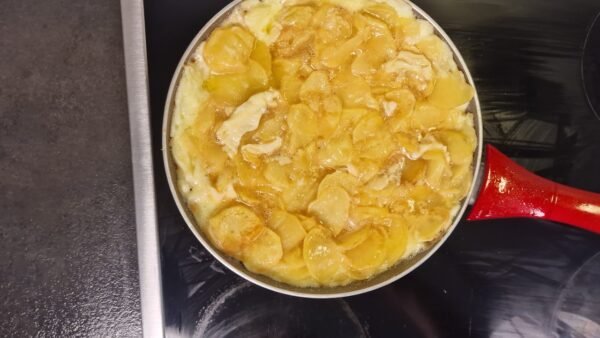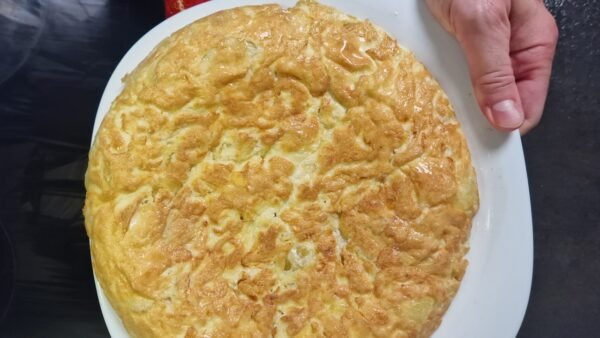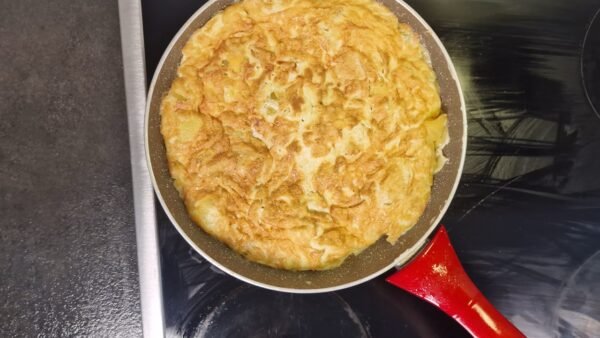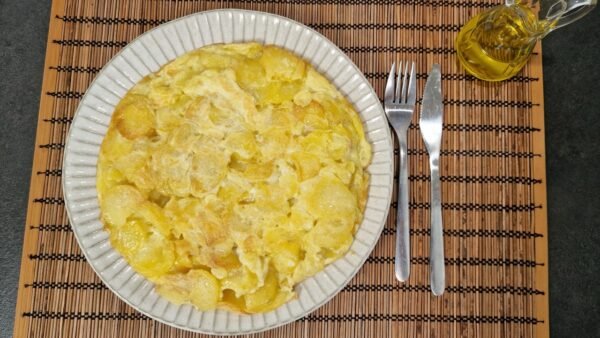
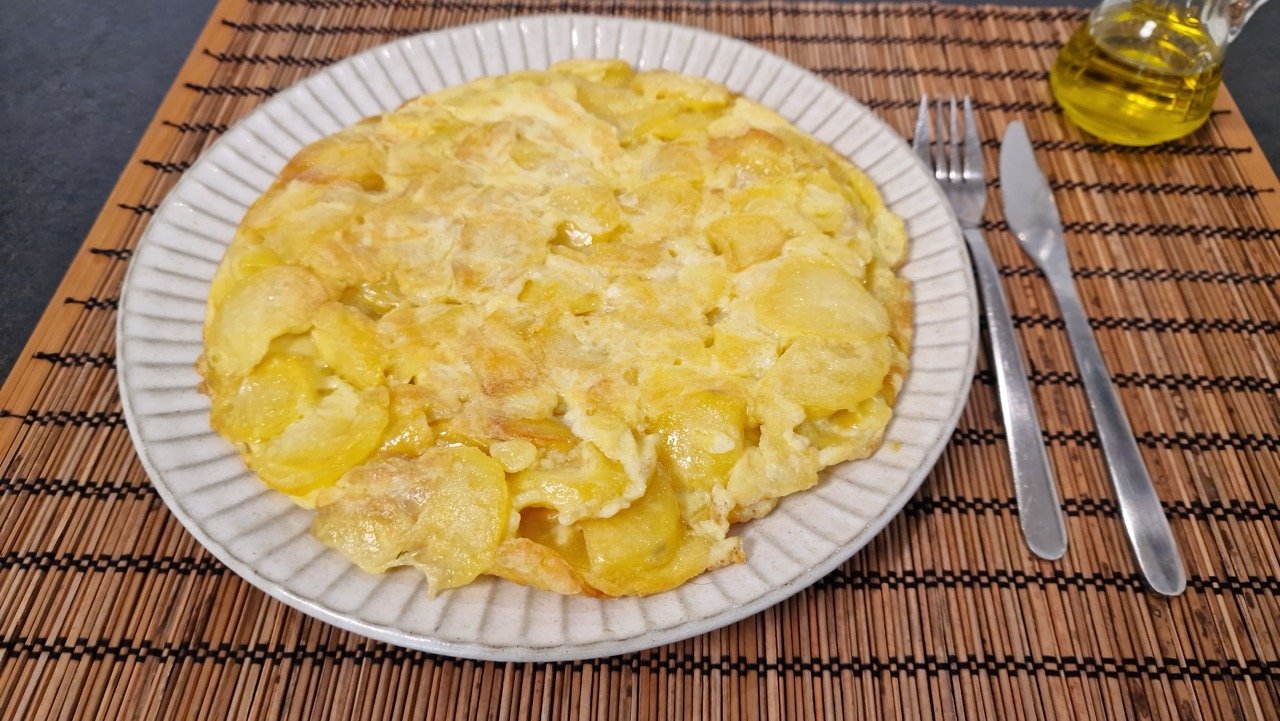
It might come as a surprise at first, but in Spain, the word tortilla doesn’t usually mean the small, round flatbread that’s better known in the rest of the world. To Spaniards, tortilla primarily means an omelette. One of its best-known versions is tortilla de patatas, or potato omelette, also known in English as Spanish omelette or Spanish tortilla.
Tortilla de patatas is part of everyday Spanish cooking. It often appears on the family table, children take it to school in sandwiches, and it’s also a typical tapa, part of Spanish bar culture.
What Does Tortilla Mean?
As I mentioned, it might seem surprising that a name most people around the world associate with a flatbread made from corn or wheat flour refers to an egg-and-potato dish in another country. The two seemingly have nothing to do with each other, and it looks like one of those culinary mix-ups we’ve almost come to expect.
But in this case, the explanation is much simpler. In Spanish, tortilla is the diminutive of torta, literally meaning something like “little cake.” However, torta doesn’t necessarily mean a sweet cake—it can also refer to a round, flat bread or similar baked item.
The word then came to refer to two completely different foods on opposite sides of the Atlantic, although their shapes are similar. In Mexico and Central America, it means the internationally better-known flatbread, while in Spain it refers to this potato-and-egg omelette.
So a perfectly accurate translation, or descriptive name, for the recipe shown here would be Spanish potato omelette.
A Very Simple Dish
The simplest version of Spanish tortilla needs only four ingredients: eggs, potatoes, olive oil, and salt.
Let me make three points about that.
- The simplicity refers to the ingredients and flavors. Preparing it isn’t complicated either, but it isn’t among the very easiest dishes to make. That’s not just because cooking the potatoes and the omelette can take a good half hour. The other reason is that flipping the omelette itself takes a little experience in the kitchen.
- Spaniards cook the potatoes in plenty of olive oil, using 250–400 ml (about 1–1⅔ cups) for a typical batch. In other countries, that may seem like a lot of a rather expensive ingredient. You basically have two options here. If you want the full Spanish flavor, you accept that this is how it’s made. If you’d like to keep the cost down, cook the potatoes in vegetable oil and use olive oil only for cooking the omelette itself.
- A very common variation of the basic recipe includes onion. In that version, the onion is gently cooked before the potatoes are added, and then partly together with them. This is also called tortilla de patatas. Both versions are traditional; some people make it one way, others the other.
How Spanish Tortilla Is Eaten
Unlike its Central American counterpart, Spanish tortilla is a dish in its own right, eaten in many different ways in Spanish homes and bars.
These are some of the most typical:
| Occasion | How it’s eaten |
|---|---|
| Lunch or dinner at home | A generous wedge, cut as you would slice a cake, served on a plate with salad or vegetables, and bread. |
| As a tapa in bars | A smaller portion, often called pincho de tortilla. |
| Breakfast or a midmorning snack | A pincho or tortilla sandwich can often be ordered for breakfast in cafés. |
| In a sandwich | A piece of tortilla tucked into crusty bread. Think of bread similar to a baguette. This makes a substantial meal for adults and children alike. Children often take tortilla sandwiches to school. |
| For picnics and outings | Tortilla doesn’t have to be eaten freshly made. Prepared ahead and packed up, it’s a simple, substantial dish that travels well for an outing or picnic. Store tortilla made ahead in the refrigerator, and keep it chilled while transporting it. |
Tortilla can also be eaten cold. It’s delicious freshly made and warm, but eating it later, cold, is just as traditional.
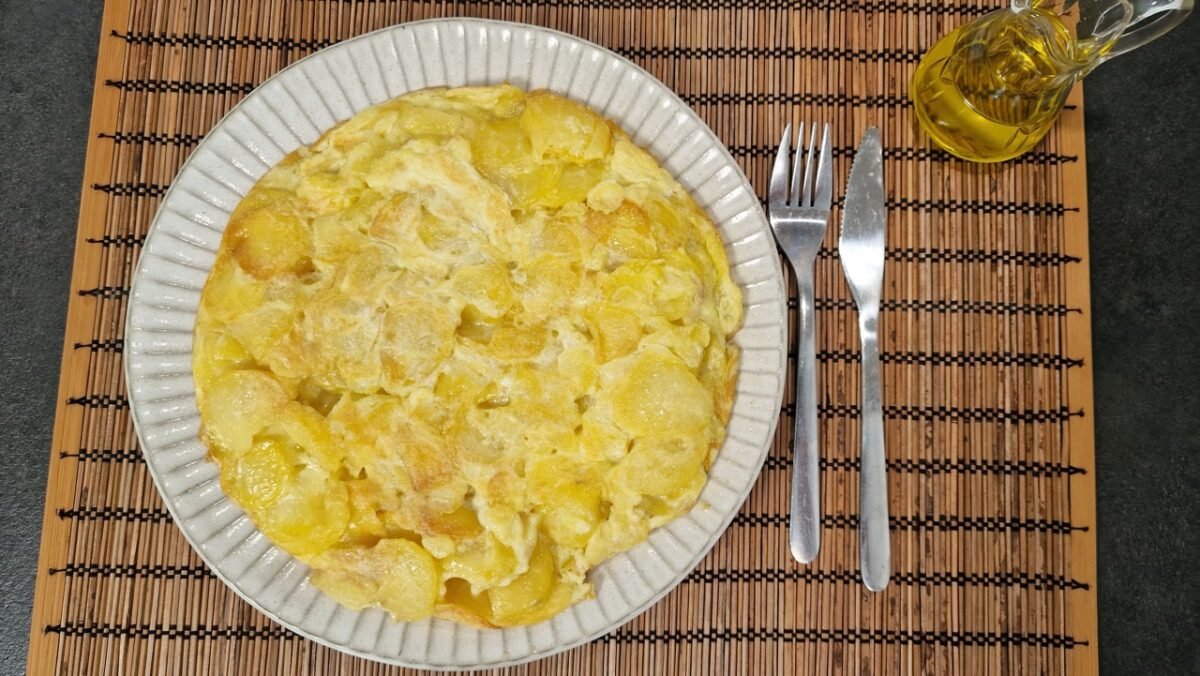
Spanish Omelette (Tortilla de Patatas)
Equipment
- 24 cm skillet (about 9½ inches)
Ingredients
- 750 g potatoes weighed before peeling (about 1 lb. 10 oz.)
- 8 eggs medium or large
- 300 ml olive oil about 1¼ cups
- Salt
Instructions
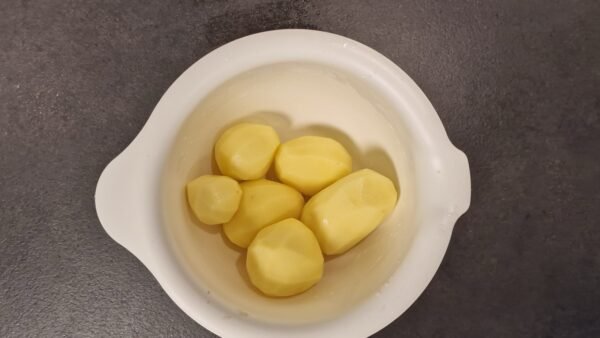
- Peel the potatoes. Pat them dry with a paper towel.

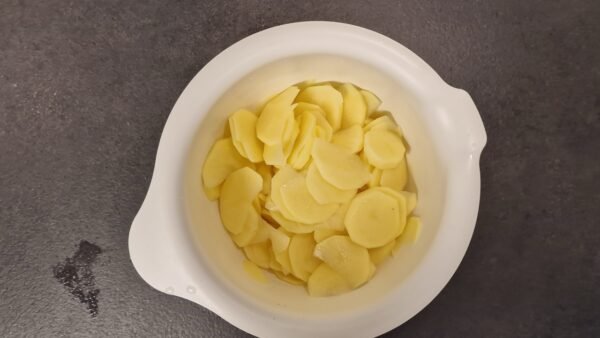
- Cut them into thin slices with a sharp knife, and season with salt.In Spain, I learned to cut them into slightly wedge-shaped slices, angling the knife a little from the edge toward the center of the potato. This gives them more structure in the tortilla.
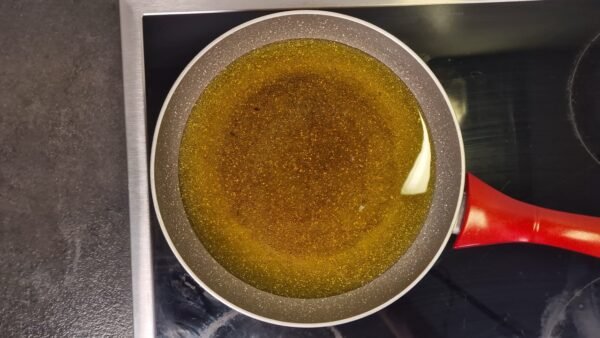
- Heat the olive oil in a skillet.
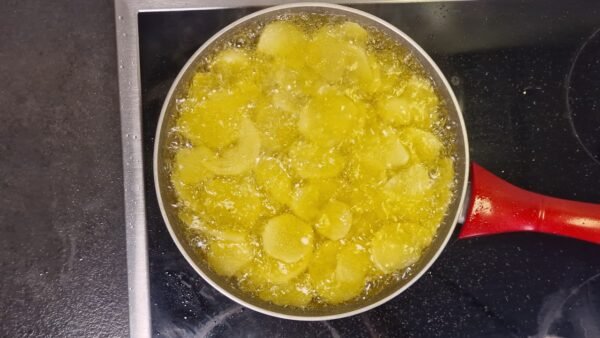
- When bubbles appear around a potato slice dropped into the oil, add the remaining potatoes. Leave behind any liquid they’ve released because of the salt; you don’t need it. Cook over high heat for about 10 minutes.The texture of the potatoes is a matter of taste, although Spaniards generally don’t cook them until crisp.
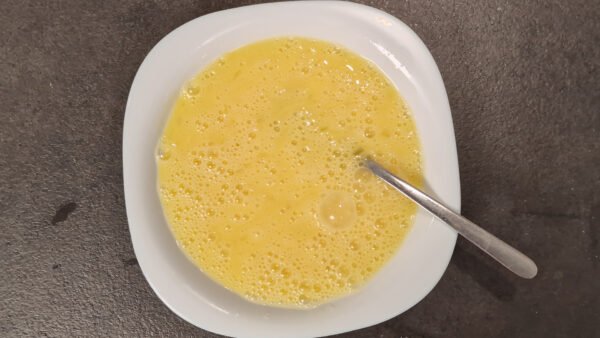
- While the potatoes are cooking, season the eggs with salt and beat them.
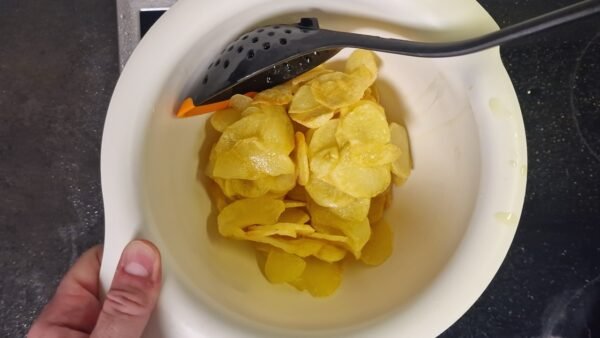
- Transfer the potatoes to a separate bowl, and pour the oil out of the skillet.You won’t need most of the oil again for this recipe, but you can reuse it.
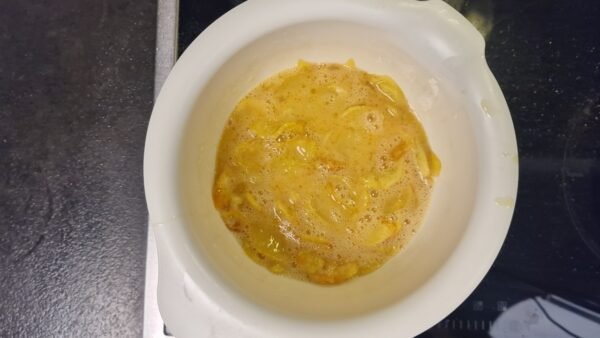
- Pour the beaten eggs over the potatoes, and mix gently.
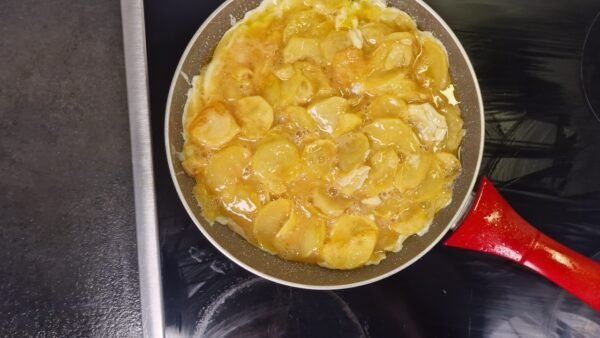
- Return the skillet to medium heat, and add a few tablespoons of the reserved oil. Pour in the egg-and-potato mixture.
- During the first minute, stir it a few times to help the tortilla hold its shape and give the center a softer, gently set texture.
- Cook over medium heat for about 10 minutes. When the bottom is completely set and the top has a soft, jelly-like consistency, place a plate over the skillet and flip it.This is the hardest step and takes a little experience and courage. Hold the plate firmly against the skillet, and flip it with one quick, confident movement. If it’s too hot, use oven mitts.
- Add 1–2 tablespoons (15–30 ml) of the reserved oil to the skillet, and slide the tortilla off the plate and back into the skillet, now with the uncooked side facing down.
- Cook for a few more minutes, depending on your preference. Turn it out onto a plate to serve.In Spain, many people like the center of their tortilla slightly runny, while others prefer it more thoroughly cooked. Adjust the cooking time on both sides accordingly. If you’re eating it cold or taking it with you, it’s best to cook it all the way through.